
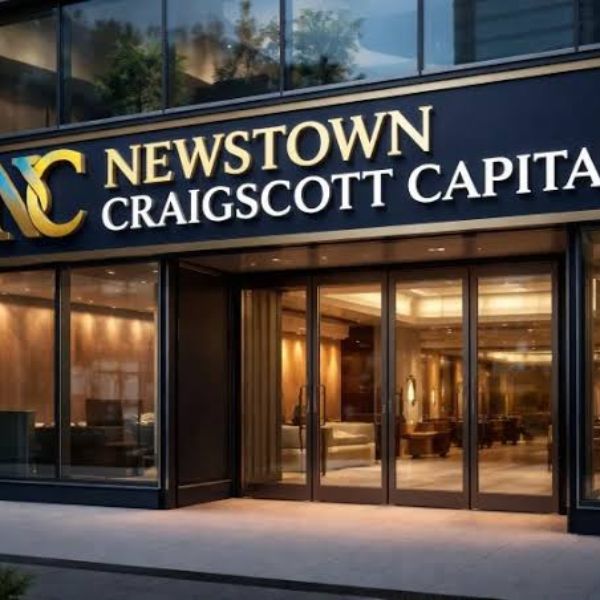
The search for Newstown CraigScott Capital raises important questions about a financial company’s identity, regulatory background, and legitimacy.
Investors researching this name should understand its possible connection to Craig Scott Capital, LLC, a former U.S. brokerage firm with a documented disciplinary history.
This guide explains the known facts, the regulatory actions involving the former firm, and the risks of confusing similar business names.
Newstown CraigScott Capital: Quick Bio and Facts
| Detail | Information |
| Search term | Newstown CraigScott Capital |
| Historical company | Craig Scott Capital, LLC |
| Industry | Securities brokerage |
| Former location | Uniondale, New York |
| FINRA CRD number | 155924 |
| FINRA expulsion | September 7, 2017, final date |
| Regulatory concerns | Excessive trading, churning, and supervisory failures |
| Current status of the exact Newstown name | Not independently established |
| Net worth and earnings | No reliable figures established |
| Individual biography and physical statistics | Not applicable to the company name |
| Investor research priority | Verify legal identity and registration |
Important distinction: The documented regulatory history belongs to Craig Scott Capital, LLC. It should not automatically be attributed to another business using the Newstown CraigScott Capital name without evidence establishing a legal connection.
What Is Newstown CraigScott Capital?
Newstown CraigScott Capital is a search term associated with questions about brokerage services, financial credibility, and regulatory history. However, the information available for this article does not establish that a currently registered U.S. brokerage operates under that exact name. Investors should therefore avoid treating it as a verified financial institution until its legal identity and registration can be confirmed.
The name resembles Craig Scott Capital, LLC, a former broker-dealer based in Uniondale, New York. That historical firm faced disciplinary action involving customer accounts and compliance practices. Understanding this distinction matters because a similar name does not prove common ownership, shared management, or a legitimate business relationship.
Newstown CraigScott Capital vs. Craig Scott Capital, LLC
Craig Scott Capital, LLC is an identifiable historical brokerage associated with FINRA’s disciplinary records and CRD number 155924. Its regulatory history includes a final expulsion from FINRA membership in 2017. These facts provide a documented starting point for researching the former firm.
Newstown CraigScott Capital, by contrast, has not been established by the evidence reviewed as the same legal entity or an authorized successor. Anyone claiming that the names are connected should provide verifiable business registration details and supporting documentation. Investors should assess those claims independently rather than relying on branding or online descriptions.
Newstown CraigScott Capital History: Key Facts
The history relevant to this search centers on Craig Scott Capital, LLC and its former brokerage operations. The firm became the subject of regulatory proceedings concerning trading activity in customer accounts, supervisory responsibilities, and its compliance with financial-industry rules. These issues are important because brokerage firms must act within applicable regulations and maintain systems that help detect improper trading.
A major milestone occurred in 2017, when a FINRA hearing officer issued a default decision expelling the firm. The expulsion became final on September 7, 2017. The proceedings also addressed supervisory deficiencies, telemarketing requirements, and false statements in responses to regulatory information requests. These findings concern the historical firm, not automatically any separate business with a similar name.
Regulatory History of CraigScott Capital
Craig Scott Capital’s regulatory history is important because it goes beyond ordinary customer dissatisfaction. FINRA’s disciplinary proceedings examined trading practices, supervision, and compliance obligations. The resulting decision expelled the firm from FINRA membership, making its historical record relevant to investors evaluating brokerage standards and financial-industry oversight.
The SEC also reviewed related disciplinary findings involving former firm personnel. In a 2023 opinion involving Edward Beyn and Craig S. Taddonio, the SEC addressed findings concerning excessive trading, unsuitable recommendations, and supervisory failures. These proceedings help explain the broader regulatory concerns, but each finding must be attributed to the correct individual or entity.
What the SEC Found
The SEC’s 2023 opinion discussed findings that former registered representative Edward Beyn excessively traded and churned nine customer accounts. It also addressed recommendations involving unsuitable exchange-traded notes to a customer. Churning generally involves excessive transactions in an account under a broker’s control to generate commissions or other benefits.
The opinion also considered supervisory failures involving Craig S. Taddonio, the former firm president and chief executive officer. The findings included failures to respond adequately to warning signs of excessive trading and issues concerning testimony about recording devices. These are specific regulatory findings, not proof that every employee or related business engaged in the same conduct.
SEC Regulatory Sanctions
The SEC opinion sustained relevant FINRA findings and sanctions involving the individuals who appealed. Separately, Craig Scott Capital, LLC had already been expelled from FINRA membership in 2017. Understanding the difference between firm-level disciplinary action and sanctions against individuals helps readers interpret the historical record correctly.
Investors should avoid summaries that combine different proceedings into one event or assign an individual’s sanction to a company without evidence. Regulatory decisions identify the parties involved, the conduct considered, and the outcomes reached. This detail is essential when researching Newstown CraigScott Capital or assessing claims that another business is connected to the former brokerage.
What FINRA BrokerCheck Shows
FINRA BrokerCheck is designed to help investors research brokerage firms and registered representatives. A firm’s record can contain registration details, employment history, disciplinary information, and other disclosures. Craig Scott Capital, LLC is identified in historical regulatory records by CRD number 155924, which helps distinguish it from businesses with similar names.
Investors should review firm and individual records separately. A representative’s disclosure history may differ from the firm’s history, and a firm name alone may not identify the person offering an investment. If a search produces no clear match for Newstown CraigScott Capital, that result should prompt further verification rather than an immediate conclusion that the name is either legitimate or fraudulent.
Understanding the Brokerage Business and Investor Risks
Broker-dealers generally execute securities transactions for customers, trade securities for their own accounts, or perform both activities. Investment advisers provide securities advice for compensation and may manage portfolios or offer financial planning. Some businesses perform more than one role, so investors need to understand which services they are receiving and which rules apply.
Brokerages may earn income from commissions, transaction fees, spreads, or other permitted charges. Advisory firms may charge asset-based or fixed fees. These business models can create different incentives, making fee transparency important. A firm’s claimed achievements, leadership biography, salary information, net worth, or lifestyle details do not establish whether it is properly registered or suitable for an investor.
Common Brokerage Risks Investors Should Understand
One major risk is excessive trading, which can increase commissions and transaction costs without improving investment results. Churning is a more specific concern involving excessive trading in an account controlled by a broker to generate commissions or other benefits. Unsuitable recommendations can also expose investors to risks that do not match their goals, finances, or tolerance for losses.
Other concerns include market volatility, hidden fees, conflicts of interest, unauthorized transactions, and misleading claims about investment returns. Fraudsters may also imitate legitimate financial businesses to obtain money or personal information. Investors should review statements, confirm transactions, understand the products they own, and question any promise of guaranteed profits from investments exposed to market risk.
Why Customer Records and Compliance Matter
Reliable customer records help show which transactions were authorized, what a representative recommended, and which fees were charged. Brokerage firms also need supervisory procedures to identify unusual activity, review employee conduct, and address potential violations. Without effective controls, questionable trading may continue longer than it should.
The Craig Scott Capital regulatory record highlights the importance of these duties. Investors can protect themselves by retaining account agreements, trade confirmations, statements, emails, and written recommendations. Such documents can help resolve disputes, identify unexpected activity, and support a formal complaint. Reviewing records regularly is especially useful when an account experiences frequent trades or unexplained changes in value.
Newstown CraigScott Capital and Name Confusion Risks
Similar financial business names can create confusion, particularly when search results combine historical companies with newer websites or unrelated organizations. A name that resembles a former brokerage may attract attention without demonstrating any genuine legal or commercial connection. Search rankings and repeated online claims are not proof of ownership, registration, or regulatory approval.
For Newstown CraigScott Capital, investors should establish the exact legal entity before relying on claims about its history. Ask for the business’s official name, registration details, physical address, and the identity of the people handling investments. Compare those details with independently verified records. If the information conflicts or the representative refuses to provide it, do not transfer money until the discrepancy is resolved.
Is Newstown CraigScott Capital Legitimate?
The available evidence does not establish Newstown CraigScott Capital as a currently registered brokerage, nor does it prove that the name is fraudulent. The documented historical entity is Craig Scott Capital, LLC, which was expelled from FINRA membership in 2017. No verified evidence reviewed here establishes Newstown CraigScott Capital as an authorized successor or affiliate.
Investors should treat the exact name as unverified until they can confirm the entity’s legal identity and regulatory standing. Request written documentation, check the relevant registration records, and independently confirm how assets will be held. Avoid relying on testimonials, impressive financial claims, or pressure from a representative. If the company cannot be verified, postponing the transaction is the safer decision.
How to Research a Brokerage Firm Before Investing
Start by confirming the firm’s exact legal name and registration status. FINRA BrokerCheck can help identify brokerage firms and registered representatives, while investment advisers can be researched through the SEC’s adviser disclosure records or the appropriate state regulator. The goal is to determine whether the business is authorized to provide the specific service being offered.
Next, compare registration details with account documents and the firm’s stated contact information. Review disciplinary disclosures, fees, and the representative’s employment history. If the company name, address, or registration number does not match, ask for clarification before proceeding. Never rely solely on information supplied by an unsolicited caller or an unfamiliar investment website.
Investor Due Diligence: What to Check
Before opening an account or transferring assets, verify the following details:
- Legal identity: Confirm the registered name and business address.
- Registration: Check the firm’s authorization and the representative’s background.
- Fees: Understand commissions, advisory charges, and account costs.
- Custody: Identify who holds the money and securities.
- Investment terms: Read the risks, withdrawal rules, and account agreement.
- Communication: Verify contact details independently.
- Documentation: Keep copies of statements, agreements, and transaction records.
Do not send money to a personal account simply because a representative says it is required to activate, protect, or verify an investment account. Unclear payment instructions and pressure to act immediately are reasons to pause and investigate.
Traditional Brokerage Models and Modern Wealth Management
Traditional full-service brokerages may offer investment recommendations, retirement planning, and portfolio reviews. Discount brokerages often focus on transaction execution and lower-cost services. Digital platforms may provide automated portfolio management, online trading, or financial planning tools. Each model has different fees, features, and responsibilities.
Modern wealth management can combine investment allocation, retirement goals, tax planning, and ongoing portfolio reviews. However, technology and professional presentation do not eliminate investment risk. Investors should compare services, understand possible conflicts of interest, and confirm the provider’s registration. The best choice depends on financial goals, experience, costs, and the level of personal guidance required.
Investor Protection Resources for 2026
U.S. investors have several ways to research financial firms and protect their accounts. FINRA BrokerCheck provides brokerage and representative information, while the SEC maintains records relating to investment advisers and securities enforcement. Investor education materials can also explain common fraud tactics and the risks of different investment products.
If you suspect misconduct, preserve account statements, emails, payment records, and other relevant documents. You may file a complaint with the appropriate regulator or explore available dispute-resolution options. Investors who have suffered significant losses or face complex account disputes may also consider consulting a qualified securities attorney. Keep a written timeline of events to support any investigation.
Red Flags in Brokerage and Investment Offers
Watch for guaranteed high returns, urgent requests for deposits, vague explanations of fees, and representatives who avoid questions about registration. Other warning signs include inconsistent business names, unverifiable office addresses, requests for passwords, and demands for unusual payment methods.
Another concern is a claim that a firm is connected to a previously regulated company without supporting documentation. In researching Newstown CraigScott Capital, do not treat a similar name as proof of continuity or authorization. Verify the company and its representatives independently. If important details remain unclear, do not send money or sensitive personal information.
Lessons From the Craig Scott Capital Regulatory Record
The Craig Scott Capital case demonstrates why effective supervision, fair trading practices, and accurate regulatory responses matter.
The historical record includes findings involving excessive trading, churning, and supervisory failures.
Investors can apply three lessons: monitor account activity, understand how a broker is compensated, and investigate regulatory disclosures before investing.
They should also distinguish documented findings from rumors and avoid attributing one company’s conduct to another without evidence.
Frequently Asked Questions
Why do investors still search for Newstown CraigScott Capital in 2026?
The name raises questions about financial services and its possible relationship to Craig Scott Capital, LLC. However, search interest does not establish that a currently authorized brokerage exists under the Newstown name.
What is Craig Scott Capital, LLC?
Craig Scott Capital, LLC was a securities brokerage based in Uniondale, New York. Its historical regulatory record includes disciplinary proceedings and expulsion from FINRA membership in 2017.
What was Craig Scott Capital’s FINRA CRD number?
The firm’s FINRA Central Registration Depository (CRD) number was 155924.
What happened to Craig Scott Capital?
FINRA expelled the firm following disciplinary proceedings involving excessive trading, churning, supervisory deficiencies, and other violations. The expulsion became final on September 7, 2017.
What regulatory action involved Craig Scott Capital?
FINRA issued a default decision expelling the firm. Separate proceedings involving former firm personnel addressed trading misconduct, supervisory failures, and other regulatory issues.
Did the SEC action concern excessive trading?
Yes. A 2023 SEC opinion addressed findings involving excessive trading and churning in customer accounts, as well as other conduct involving former firm personnel.
Why are regulatory records important?
They help investors check registration status, identify disciplinary findings, and evaluate potential risks. Official records provide stronger evidence than anonymous reviews or promotional claims.
Can online reviews replace regulatory research?
No. Reviews may identify concerns, but they cannot establish registration or fully explain a firm’s disciplinary history. Always verify important claims through official records.
How can I verify a U.S. brokerage firm?
Confirm its legal name, registration, and CRD number where applicable. Research the firm and individual representative separately, and review relevant disclosures before opening an account.
What should investors check before transferring assets?
Verify the receiving firm’s identity, account ownership, fees, custody arrangements, and transfer instructions. Keep copies of all documents and resolve discrepancies before authorizing the transfer.
Conclusion
Newstown CraigScott Capital requires careful research because its exact legal identity has not been established by the evidence reviewed.
The documented historical record concerns Craig Scott Capital, LLC, a former brokerage expelled from FINRA membership in 2017 following serious regulatory findings.

Humair is the founder of PeakMagzine.com and a seasoned digital strategist with over 15 years of SEO experience. He specializes in creating high-quality, optimized content that drives organic traffic, improves search rankings, and helps brands grow their online presence effectively.
